How should shippers prepare cross-border freight Canada US?
Moving open-deck, oversized, or heavy freight across the Canada-US border requires precise documentation, timely filings, and the right carrier partnership. This ordered decision checklist shows logistics managers what to prepare, who files advance cargo reports, when to stop and call a customs broker or carrier, and exactly what to ask when you request a cross-border quote.
How to use this checklist and when to stop and call a broker
Use the checklist as a linear workflow: confirm shipment facts, gather paperwork, decide who files advance data, secure permits, verify insurance and storage, then evaluate carriers and book. Stop points are explicit. If your shipment involves complex tariff classification, Controlled Goods, alcohol or tobacco, bonded movements, or repeated cross-border lanes, involve a customs broker. Government guidance for exporters and shippers highlights when to coordinate with customs specialists and logistics partners for U.S. moves, particularly for cross-border distribution and B2C channels. See the Trade Commissioner Service guidance for shipping and logistics.
For Canada arrival reporting rules and carrier enrolment details consult the CBSA guidance on advance commercial information (eManifest) and the CBSA memorandum on highway pre-arrival reporting. These explain who must be enrolled and the timing requirements for advance transmissions.
Step 1: Confirm shipment details and choose the right transport mode
Before you ask carriers for quotes, capture these baseline facts. Missing or incorrect data is the most common cause of border delays.
- Commodity description and Harmonized System code if known, declared value and currency.
- Precise dimensions and gross weight per piece, plus total load weight and centre of gravity.
- Number of pieces, trailer type, and tarp or securement needs for open-deck loads.
- Hazardous materials classification and emergency response guide numbers if applicable.
- Required delivery window and whether the move is time sensitive and needs hot-shot expedited service.
- Incoterms that show who pays duties, taxes and who is responsible for clearance.
These facts determine whether you need a flatbed, multi-axle heavy-haul trailer, pilot vehicles, or hot-shot service. A complete shipper checklist from freight forwarders can help ensure no fields are missing before you seek quotes.
Step 2: Prepare mandatory documents and shipment data

Assemble the documents you will share with your carrier and customs broker. Presenting a complete packet reduces inspection flags and processing time.
- Commercial invoice with full commodity description, HS codes and declared value.
- Packing list and any assembly or disassembly instructions for heavy equipment.
- Bill of lading or carrier booking confirmation and a detailed trailer manifest.
- Export documentation for U.S. exports when required by U.S. authorities and any export permits.
- Permits or certificates for regulated goods, such as agricultural certificates for seed or grain, or special documentation for oilfield equipment.
- Proof of insurance coverage and the carrier’s insurance limits for cross-border moves.
The RRA Group import and export checklist is a helpful reference for the range of papers often needed for Canada-US shipments. Share the complete packet with your nominated filer before loading to reduce secondary examination risk.
Step 3: eManifest and pre-arrival reporting — who files and when
Canada requires advance commercial information transmissions known as the eManifest or ACI. Carriers, freight forwarders, or other trade chain partners must enrol and report accurate cargo and conveyance data to the Canada Border Services Agency. Carriers and warehouse operators that transport or store commercial goods should review the CBSA cargo and warehouse business requirements.
Decide who will file the eManifest before loading. Typical approaches are:
- The carrier files directly using their carrier code and enrolment.
- A freight forwarder or customs broker files on behalf of the carrier if authorised to do so.
- In rare, coordinated moves the shipper arranges the filing through an authorised broker, but this must be agreed and tested in advance.
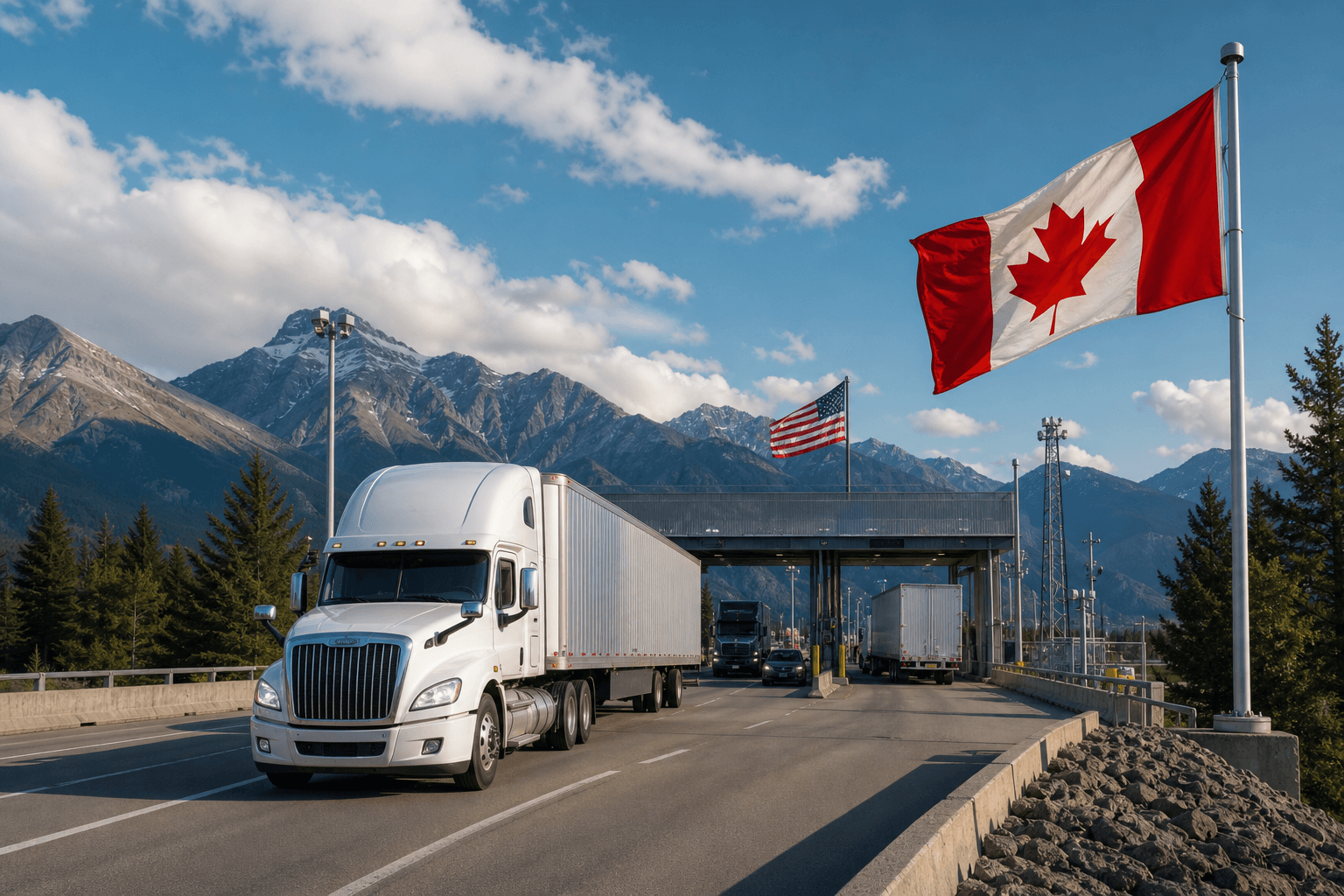
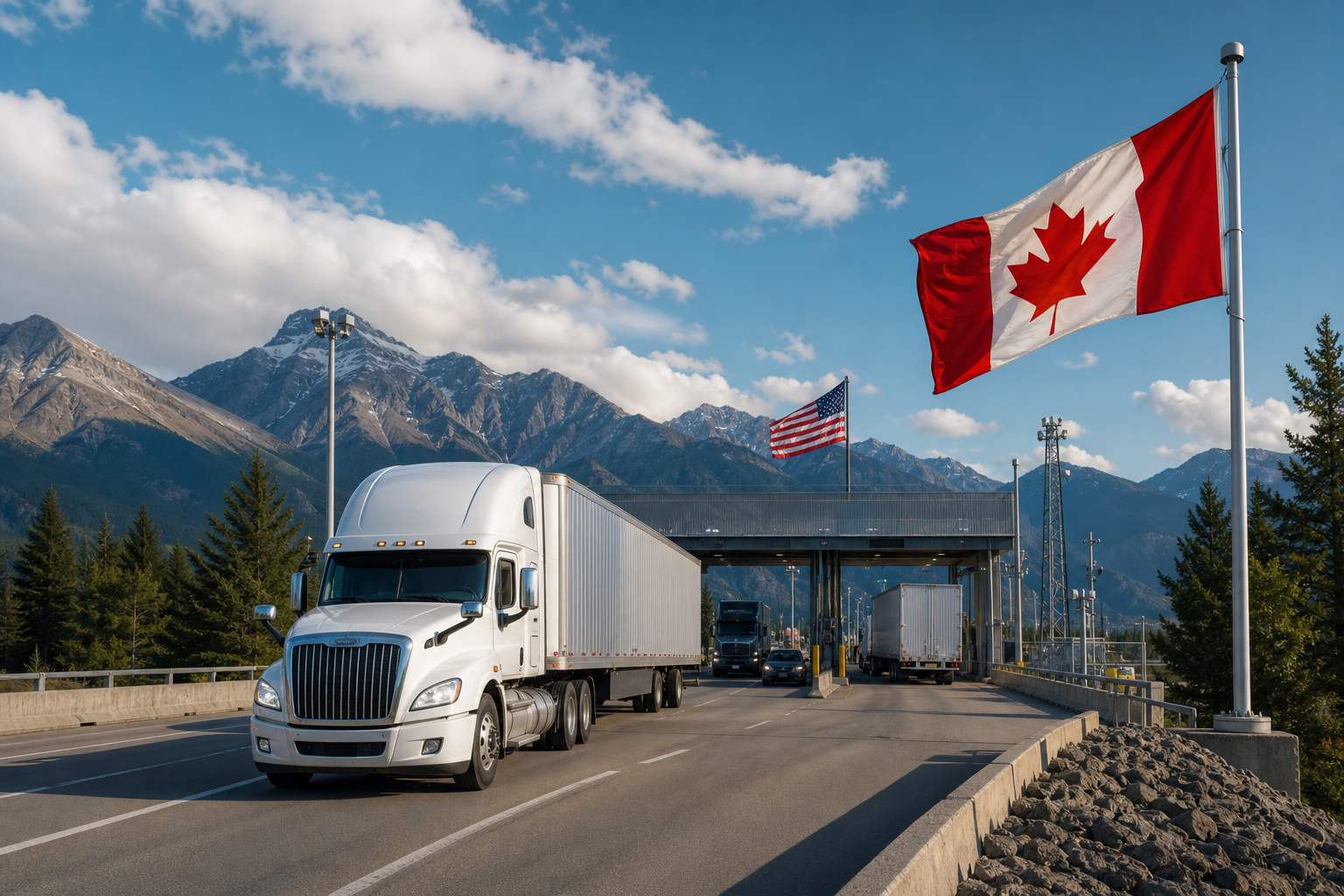
Confirm the filing window and any exemptions that may apply for your route by checking the CBSA memorandum on highway pre-arrival and reporting. Require the named filer to provide a filing receipt or reference number before the truck departs. This simple confirmation avoids one of the most common reasons a truck is turned back or delayed at the border.
Reference: CBSA advance commercial information and carrier enrolment guidance is available from the CBSA ACI pages and the CBSA pre-arrival memorandum.
Step 4: Permits, escorts and route planning for wide or heavy loads
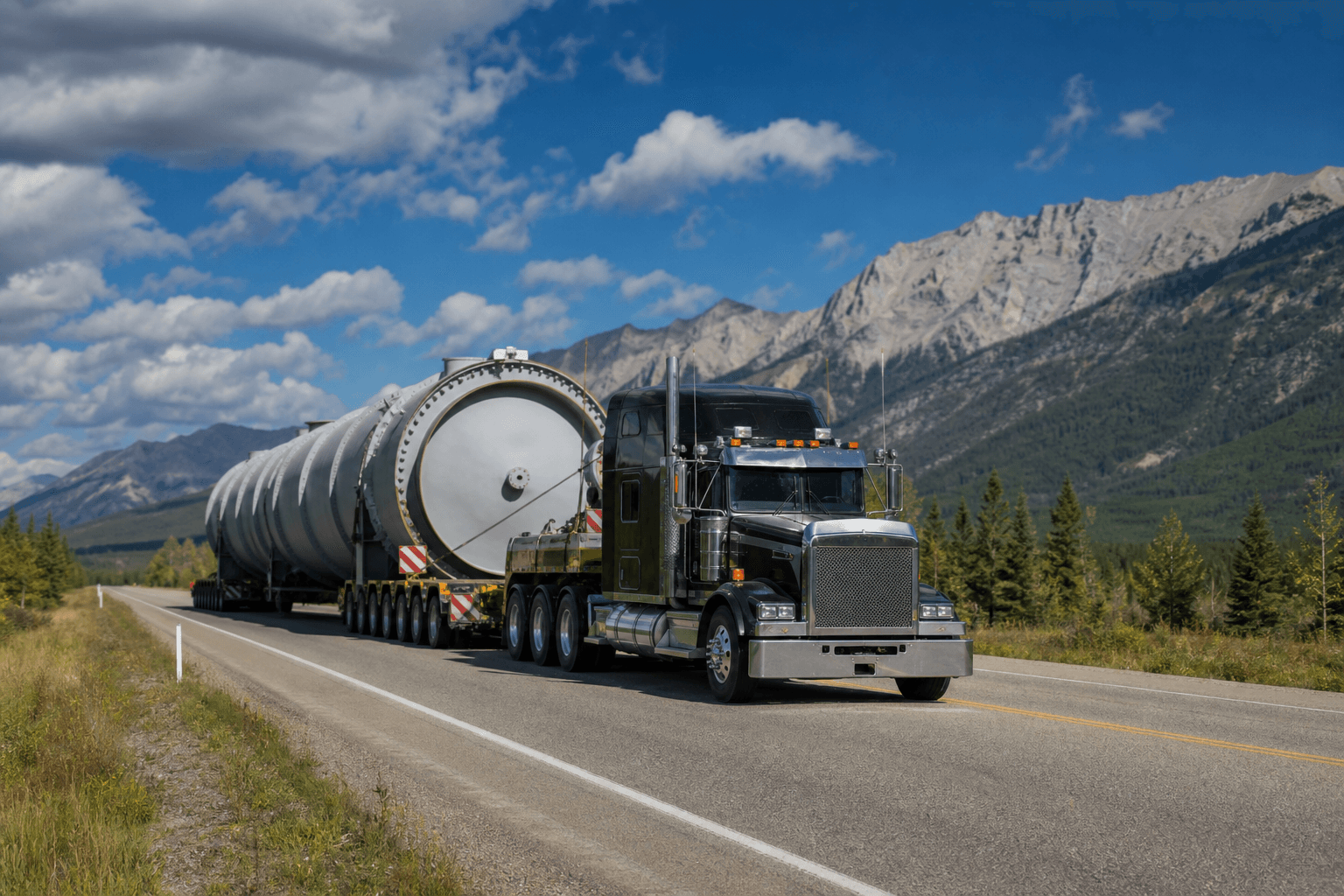
Oversize and overweight loads add layers of permitting. Provincial and state permits and pilot or escort vehicle requirements vary by route. Typical responsibilities are:
- The shipper provides accurate dimensions and weight to the carrier so permits can be applied correctly.
- The carrier, or a specialist permit service the carrier engages, secures permits and schedules escorts and route surveys.
- Route planning must consider bridge heights, seasonal weight restrictions, municipal bylaws and border checkpoint capabilities.
Allow extra time for permit processing and factor escort costs into the quote. For cross-border heavy haul moves, confirm with the carrier whether special inspections or conditional approvals are likely on your chosen route.
Step 5: Confirm insurance, bonded warehousing and cross-dock options
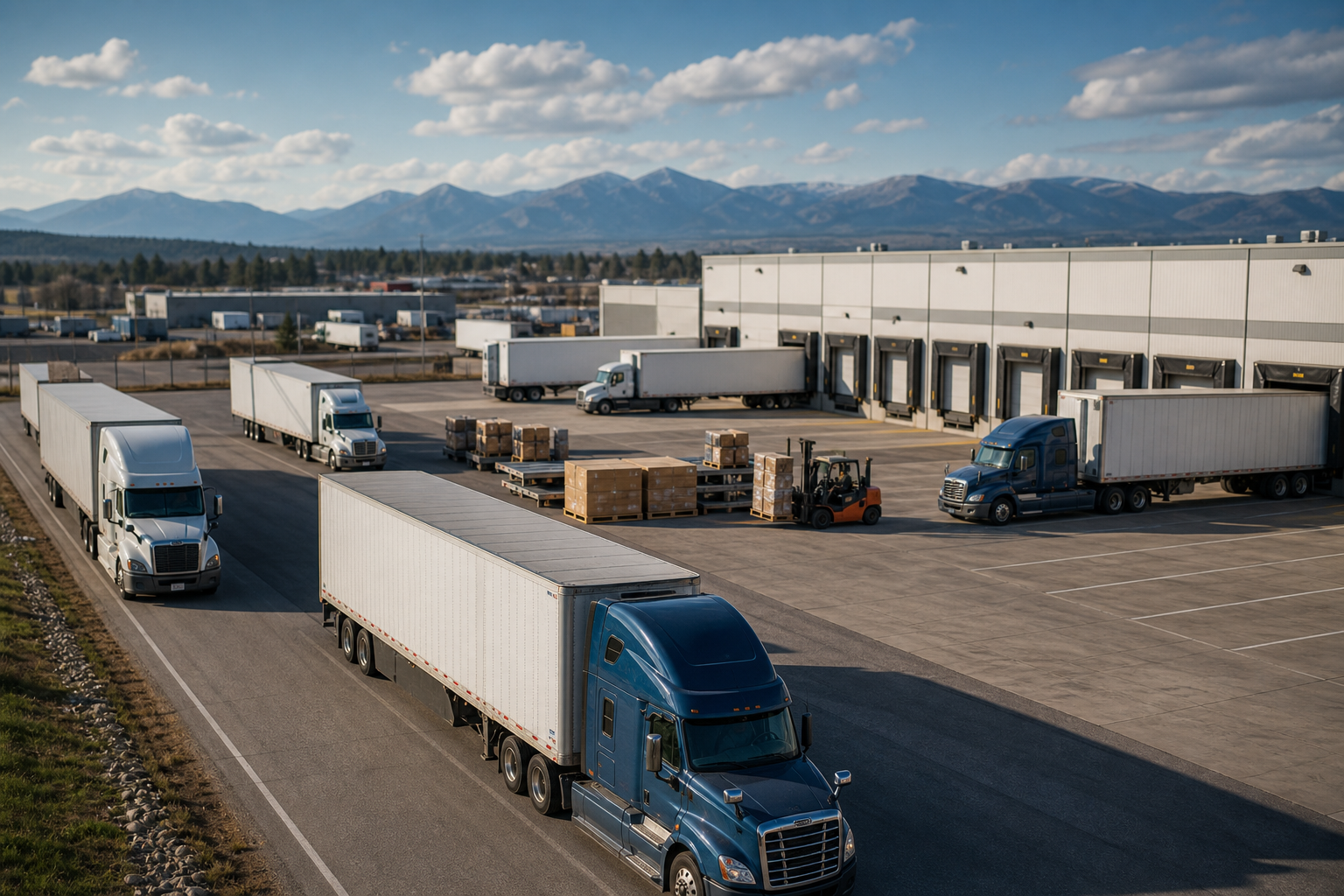
Verify freight insurance limits before booking. Confirm whether the carrier’s liability meets your cargo value needs and whether you need a separate cargo policy. If your shipment requires temporary storage, decide between bonded warehousing and cross-docking.
- Bonded warehousing allows goods to be stored while duties and taxes are deferred. Use bonded storage when goods await customs release or classification.
- Cross-docking is normally faster and reduces storage costs when you need to consolidate or transfer between LTL and TL legs.
If you need short-term handling in the Edmonton area, consider cross-docking services to avoid storage hold-ups and speed the final-mile leg. Flying Falcon’s integrated warehousing and cross-dock capability in Edmonton can reduce dwell time and simplify LTL to TL transfers when moving cross-border freight.
For rules on warehouses and carrier responsibilities see the CBSA cargo and warehouse business requirements.
Links: Flying Falcon cross-docking services and the Flying Falcon Logistics Ltd homepage.
Step 6: How to evaluate and ask a flatbed carrier for a cross-border quote
When you request a quote from an asset-based flatbed carrier, ask these precise questions so proposals are comparable and risks are clear. Use the questions below as a template for your email or online quote form.
- Who will file the ACI/eManifest and within what timeframe? Request the carrier’s CBSA enrolment status or the broker contact.
- What insurance limits do you provide, and can you arrange additional cargo insurance?
- Do you manage permits, escorts and route planning for oversize loads, or do you subcontract those services?
- What equipment configuration will you use and how will the load be secured for open-deck transport?
- What contingency plan do you have for CBSA inspections, secondary examinations or border delays?
- Can you offer short-term cross-dock or warehousing in Edmonton for LTL consolidation, rework or re-tarping before final delivery?
- What is the expected transit window and which assumptions underlie that estimate?
Comparing answers to these questions will reveal which carriers truly operate asset-based cross-border services and which rely heavily on third parties for compliance work. Request written confirmation of the filing party and permit responsibilities before you accept the quote.
Final pre-move checklist, common objections and next steps
Use this compact, printable pre-move checklist before loading. Highlighted stop points require broker or carrier confirmation.
- Shipment facts captured: HS codes or accurate descriptions, dimensions, weight and value.
- Commercial invoice, packing list and bill of lading ready.
- Decision: who files eManifest? Confirm carrier or broker filing window. Stop if the filing party is not confirmed in writing.
- Permits and escorts booked for any oversize or overweight pieces. Stop if permits are pending.
- Insurance limits verified and cargo insurance purchased if the shipment value exceeds carrier liability.
- Cross-dock or bonded storage reserved if needed for consolidation or duty deferment.
- Carrier contingency and contact for inspections confirmed in writing.
Common objections and mitigations
- "I do not have HS codes" — Use clear commodity descriptions and engage a customs broker for classification before the first move.
- "Permits will delay us" — Factor permit lead time into the schedule and request expedited permit services or alternate routes from the carrier.
- "Who will file the eManifest?" — Require the carrier to confirm filing responsibility in writing and to provide a filing receipt before dispatch.
Next steps: gather the shipment facts above, save a copy of your commercial invoice and packing list, and request a cross-border quote from a carrier that operates its own fleet and offers Edmonton area cross-dock and warehousing to reduce dwell time.
Frequently asked questions
Who is responsible for filing the CBSA eManifest for truck freight into Canada?
Responsibility can be the carrier, a freight forwarder or a customs broker. The critical point is to confirm and document who will file the ACI/eManifest and to ensure the filer is enrolled with CBSA. See the CBSA guidance on carrier and warehouse enrolment for details.
What documents should I always have ready for Canada–US truck shipments?
Always have a commercial invoice, packing list, bill of lading, any export or import permits, and proof of insurance. If the shipment contains regulated goods, include relevant certificates and licences. Use a freight forwarder checklist to avoid omissions before loading.
When should I use cross-docking instead of bonded warehousing for cross-border freight?
Choose cross-docking when you need fast transfer, consolidation or rework between LTL and TL legs and want to avoid storage costs. Choose bonded warehousing when you need to defer duties or await customs release. If you require short-term handling in Edmonton, local cross-dock options reduce dwell time and speed delivery.
Can hot-shot expedited flatbed services cross the Canada–US border the same day?
Hot-shot or expedited services reduce transit time but border processing and pre-arrival filings still apply. Same-day cross-border movement is possible when permits, eManifests and documentation are ready, and the carrier has capacity. Confirm contingency plans and realistic transit windows with the carrier before dispatch.
Who normally arranges permits and pilot vehicles for wide-load cross-border moves?
Carriers typically arrange permits and pilot vehicles, or they engage specialist permit services. The shipper must provide accurate dimensions, weights and routing constraints so the carrier can secure the correct permits and plan escorts as required by provincial or state authorities.
Ready to start? Request a cross-border quote or discuss cross-dock options with Flying Falcon Logistics Ltd by visiting the company website or cross-docking services page.
Flying Falcon Logistics Ltd | Cross-docking services
References: CBSA ACI and carrier enrolment guidance, CBSA highway pre-arrival memorandum, and the RRA Group import and export checklist.