Long-haul transportation costs: factors that change your flatbed quote
If you manage shipping for construction, oilfield, agriculture, or industrial freight, understanding long-haul transportation costs will help you compare carrier quotes and avoid surprise fees. This article breaks down the line items that shape a flatbed or heavy-haul quote, explains Alberta and Canada–US considerations, and gives a practical checklist to compare bids line by line. Flying Falcon Logistics Ltd is an asset-based Canadian flatbed and specialized freight carrier based in the Edmonton–Nisku area, and its services include long-haul and short-haul open-deck transport, warehousing and cross-docking, freight insurance and SmartWay-certified options, all of which affect how a final price is presented and protected on the company website.
Which costs make up a long-haul flatbed quote
A typical long-haul quote bundles several distinct cost components. Treat each as a separate negotiation item rather than a single line price. The primary components are:
- Linehaul or base rate, billed for kilometres or miles and often presented as a lane price. Linehaul covers driver pay, fuel allocation within the base rate, and a portion of fixed truck costs.
- Loading and handling, charged by the hour or as a flat handling fee. Loading labour and equipment time are major cost drivers and explain much of the variance between quotes (see long-distance mover analysis).
- Fuel surcharge, an additional, variable charge tied to fuel indices or carrier formulas. The surcharge can change frequently in volatile fuel markets.
- Accessorials, extra services such as tarping, liftgate, heavy pick, crane work, escort vehicles, skid or pallet service, and late-night or Saturday deliveries. Accessorials are often billed separately and can significantly increase the total on complex moves.
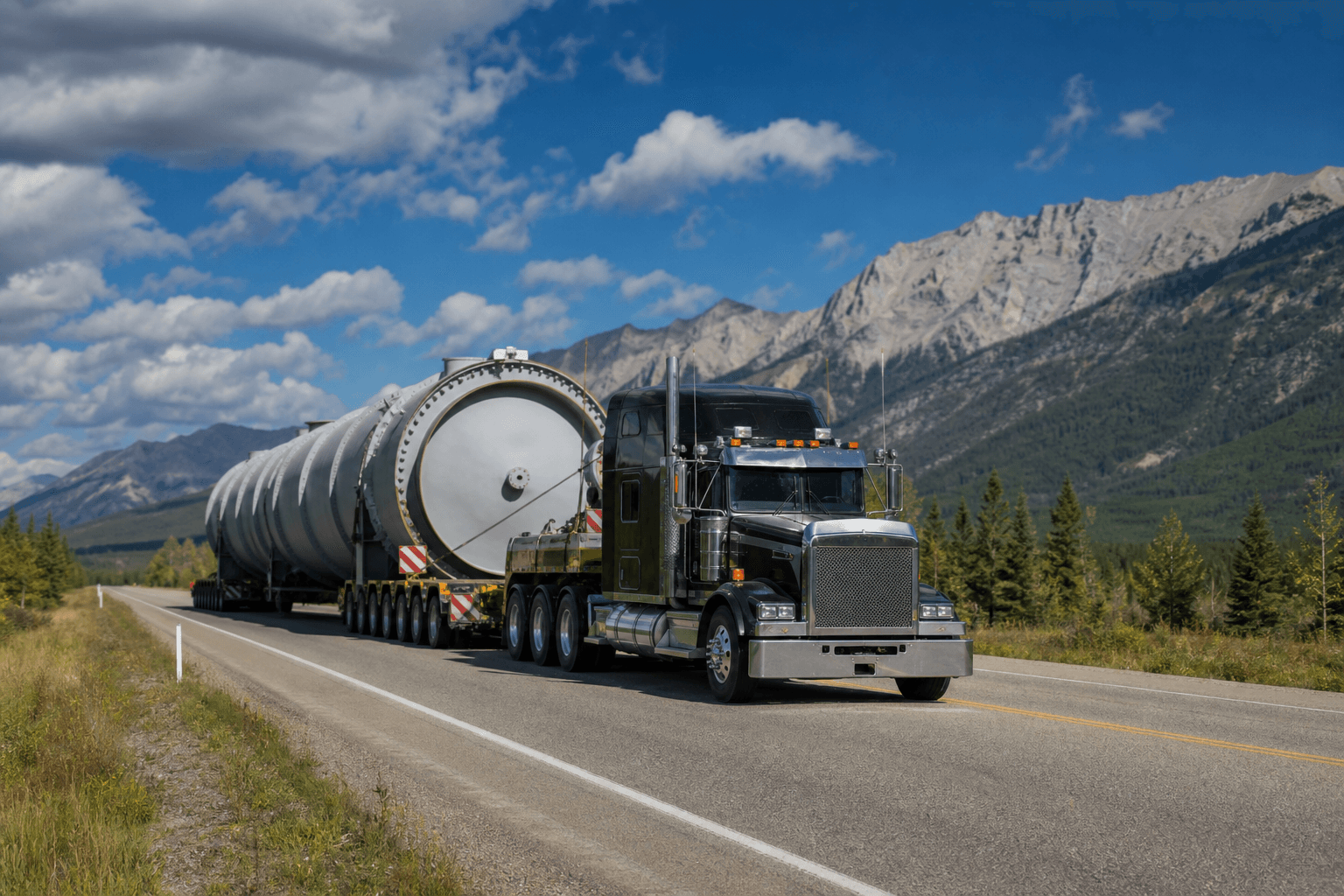
- Permits and escorts, costs for wide, heavy, or over-dimensional loads. Permit fees, route surveys, and police or private escort costs are added when dimensions exceed provincial rules.
- Insurance and declared value, the carrier’s included liability plus optional cargo insurance. For heavy or high-value freight, declared value and cargo insurance add to the quote and reduce risk for the shipper.
- Detention and layover, hourly charges when loading or unloading exceeds an agreed free time window, or when weather and border delays force a driver to stop.
- Terminal and handling for containers, when transporting containers. Industry advice is to budget linehaul and accessorials separately for a true landed cost estimate (see container cost breakdown).
How fuel surcharges and emergency fees change the price
Fuel surcharges are a routine part of long-haul pricing but carriers present them differently. Some publish a percentage tied to a fuel index, others apply a fixed per-kilometre fee, and some levy emergency inland haulage fees during exceptional conditions. During periods of rapid fuel price movement carriers may add temporary emergency inland haulage charges to maintain service continuity. For an example of how a provider communicates emergency inland fees, see the official notice from ONE Canada regarding inland emergency fuel surcharge.
When collecting quotes, ask each carrier for the exact fuel surcharge formula and the current surcharge amount. Convert that percentage or per-kilometre number into a dollar amount for your shipment and add it to the base linehaul to compare total projected cost across carriers.
Permits, routing and Alberta-specific restrictions for wide or heavy loads

Oversize and overweight shipments trigger provincial permit rules, route approvals, and sometimes specialized escort requirements. Alberta has specific routing, dimension, and seasonal restrictions that add cost and planning time for wide or heavy loads. Before requesting quotes, consult Alberta’s routing and heavy-vehicle guidance to identify potential permit fees and required escorts (Alberta transport guidance). Regulatory and operational constraints such as hours-of-service rules and emissions policies also affect route choice and crew scheduling, which in turn influence the final quote (see regulatory cost components).
Practical step: include route points, height, length, axle weight and preferred travel windows in your RFQ so carriers can price permits and escort needs accurately.
Cross-border moves: extra steps that raise cost
North-south lanes between Canada and the United States often command higher pricing and require additional operational steps. Cross-border moves typically add customs brokerage fees, documentation handling, and variable wait times at ports of entry. Market data show that east-west domestic lanes behave differently than north-south lanes, and that cross-border pricing usually reflects those extra administrative and time costs (Haulalytics freight rate trends). Guides for long-distance moving also highlight that documentation, inspections, and customs brokerage are common sources of unexpected cost if they are omitted from an initial quote (long-distance moving guidance).
To budget properly for a cross-border flatbed move, ask for the carrier’s customs brokerage arrangement, expected transit windows, and any potential border inspection fees before accepting a quote.
How warehousing and cross-docking in Edmonton can reduce total landed cost
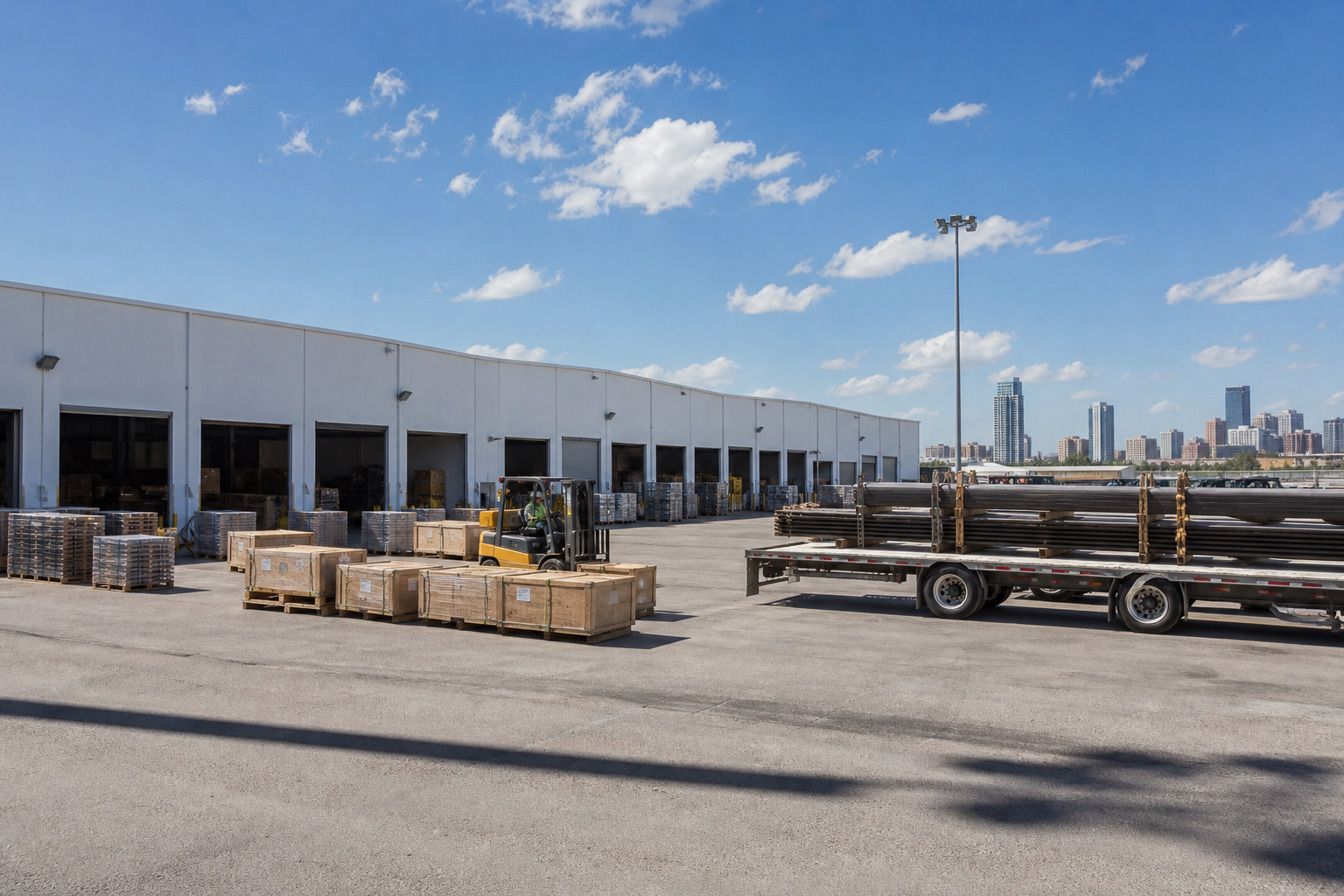
Short-term warehousing or cross-dock stops at an Edmonton hub can reduce total landed cost for multi-leg moves, LTL consolidation or staging of oversize loads. By consolidating LTL shipments into a single TL leg or staging equipment at a nearby yard you can reduce per-shipment terminal accessorials and lower detention risk. Flying Falcon lists integrated warehousing, storage and cross-docking options in the Edmonton area that are designed to optimise LTL-to-TL transitions and staging for flatbed loads LONG HAUL FLATBED SERVICES on the company site.
When carriers propose a cross-dock solution, compare the additional storage and handling charges to the avoided linehaul and accessorials on the remaining legs to determine whether the net cost falls.
How to compare carrier quotes: a line-by-line checklist
Use this checklist to compare quotes fairly. Ask carriers to provide a written estimate that maps to these items:
- Base linehaul: confirm lane, origin, destination and whether the price is per kilometre or a fixed lane rate.
- Fuel surcharge formula: request the index, calculation method and current surcharge amount so you can convert it into dollars for the shipment.
- Loading and handling: list estimated hours, rates per hour, and whether the carrier provides labour and equipment or expects shipper-supplied assistance.
- Accessorials: get definitions and unit prices for tarping, crane or hoist, liftgate, escort vehicles, storage, and Saturday or after-hours service.
- Permits and escorts: clarify who secures permits and pays any escort costs. Require a permit budget if dimensions exceed legal thresholds.
- Insurance and declared value: check included liability limits and optional cargo insurance deductibles and premiums.
- Detention and layover: confirm free time allowances and hourly detention rates for loading and unloading delays.
- Cross-border brokerage: if applicable, confirm brokerage fees, anticipated hold times and who is the broker of record.
- Terminal and container accessorials: for container moves, separate terminal handling from the linehaul so you can see the true truck line cost (container cost components).
- Cancellation and force majeure: note cancellation windows, rescheduling fees and carrier policies for fuel or weather disruptions.
Require that all quotes use the same assumptions about free time, declared value and route. That makes apples-to-apples comparison possible and highlights where low bids may hide expensive accessorials.
Decision criteria and common objections when choosing a carrier
When you evaluate carriers, weigh price against operational reliability. Key decision criteria include asset-based capacity, documented insurance, cross-border experience, hot-shot or expedited options, local warehousing and cross-dock capability, and environmental certification if that matters for corporate reporting. Flying Falcon advertises that it is an asset-based carrier with freight insurance and SmartWay certification, plus an industry-claimed 98% on-time delivery record, which are relevant factors to check on a carrier’s site (company value statements).
Common shipper objections and how to address them:
- My third-party broker is cheaper. Ask the broker for a line-item breakdown. Low-priced broker quotes frequently rely on lower liability limits, third-party subcontractors with unknown equipment, or tight free-time that produces detention fees.
- Hidden accessorials. Use the checklist above when you request a quote. Require a written statement of accessorial rates and free-time so post-delivery charges are visible.
- Capacity or timing concerns. If your project is time critical, consider an asset-based carrier with hot-shot capability or guaranteed dispatch options. Confirm the carrier’s expedited service policy and any overtime or premium charges.
Frequently asked questions
What is normally included in a long-haul flatbed quote?
A typical quote includes the base linehaul, estimated loading and handling, declared fuel surcharge, and any known accessorials. It should also state insurance limits and whether permits are included or billed separately.
When and how are fuel surcharges applied to long-haul shipments?
Fuel surcharges apply when carriers tie an extra fee to a published fuel index or an internal formula. In periods of exceptional fuel volatility carriers may add emergency inland haulage fees to keep service viable. Always ask for the surcharge formula and current rate so you can convert it to a dollar amount for your shipment (example notice).
How do permits and escorts change the cost and timing of a wide-load move in Alberta?
Permits can add application fees, route surveys, and escort requirements. Routes that pass through restricted infrastructure or require nighttime travel add complexity and cost. Check Alberta’s routing and permit guidance before quoting so carriers can budget permits and escorts accurately (Alberta routing guidance).
Can warehousing or cross-docking in Edmonton lower my overall freight cost?
Yes. A short stop at an Edmonton cross-dock can consolidate LTL shipments into a single long-haul TL lane or stage oversize loads, which can reduce terminal accessorials and improve truck utilisation. Compare the storage and handling charges against the avoided linehaul and accessorial costs to confirm savings. Flying Falcon provides integrated cross-docking and staging options that can be priced into a quote LONG HAUL FLATBED SERVICES.
What should I look for to spot hidden fees when comparing carrier quotes?
Demand clear definitions and unit prices for accessorials, detention rules, permit responsibility, the fuel surcharge formula, insurance limits and who pays for customs brokerage on cross-border shipments. If any item is vague, treat it as negotiable or request an alternative written assumption.
Flying Falcon Logistics Ltd provides tailored long-haul flatbed quotes that itemize linehaul, fuel surcharge, accessorials, permits and optional insurance. To request a quote or discuss an expedited move, visit the company website or review the long-haul flatbed service page LONG HAUL FLATBED SERVICES for details.
Key takeaway: treat every quote as a bundle of components, verify assumptions, and compare total landed cost rather than headline price. When you share complete load details and preferred routing, carriers can give precise, comparable estimates and reduce the risk of surprise charges.