

LTL shipping consolidation compared: cross-dock, pool and LTL-to-TL
LTL shipping consolidation is a practical tactic for shippers who move frequent, irregular, or partial loads and want to reduce cost and handling without sacrificing reliability. This article compares four common consolidation models, explains trade-offs for heavy, open-deck, and oversized freight, and gives a decision checklist you can use before requesting an assessment from a carrier or third-party logistics provider.
What LTL shipping consolidation means
Key terms to know
LTL stands for less-than-truckload, TL or FTL means full truckload, and consolidation is the practice of combining several LTL shipments into a single, larger movement. Consolidation can happen at a short-term staging point, at a regional hub, or within a carrier-managed routing plan. For a practical overview of why shippers consolidate, see the explanation from uShip that outlines shared cost benefits and operational goals.
Expected outcomes for shippers
When done well, LTL shipping consolidation lowers per-shipment freight cost, reduces piece handling and touch points, and can simplify cross-border paperwork by batching documentation. Managed transportation providers also analyse LTL volume portfolios to flag consolidation candidates and determine when converting LTL to TL makes sense operationally, as discussed in a consolidation guide from Nuvocargo.
The main consolidation models compared
Below are four widely used approaches. Each suits different operational profiles and freight types.
1. Cross-docking
How it works: Carriers or a logistics hub receive inbound LTL shipments and stage them briefly on a dock for immediate sorting and loading onto an outbound trailer that serves a grouped route. Cross-docks purposefully minimise storage time and accelerate flow-through.
Typical use cases: Time-sensitive routes where batching across similar destinations saves cost and reduces handling. Cross-docking is useful for consolidating LTL freight into a regional TL or into a scheduled linehaul that serves multiple customers.
Constraints: Requires coordinated arrival windows, accurate manifests, and a cross-dock facility near the origin or consolidation lane. It can add touch points if staging times are long.
2. Hub or pool distribution
How it works: Shippers or carriers route multiple LTL consignments to a central hub where freight is pooled by destination area and then dispatched on scheduled outbound legs. Hub models often operate on fixed schedules and predefined lanes.
Typical use cases: Regular, predictable volumes to many delivery points inside a region. Pool distribution gains scale from repeatable patterns, and it is common for retail, parts distribution, and multi-stop manufacturing deliveries.
Constraints: Hub models impose schedule discipline and may create minimal lead time increases if shipments wait for scheduled departures.
3. Carrier-managed consolidation
How it works: The carrier actively aggregates shipments from several clients at origin terminals or on pickup days, then optimises loads across its network. This is common when a carrier offers managed services to multiple customers in the same industry or geography.
Typical use cases: Companies with medium LTL frequency who prefer the carrier to manage routing and optimisation. Carrier-managed consolidation can deliver savings without the shipper operating a dedicated hub.
Constraints: Consolidation decisions depend on the carrier's network and priorities. Carriers may prioritise lanes that fit their asset schedules.
4. Convert LTL to TL (LTL-to-TL conversion)
How it works: When aggregated weight or pallet count reaches the threshold for a full truck or flatbed, multiple LTL shipments are combined into a TL or an open-deck full trailer. This can be a scheduled consolidation from many customers or a single shipper batching its shipments.
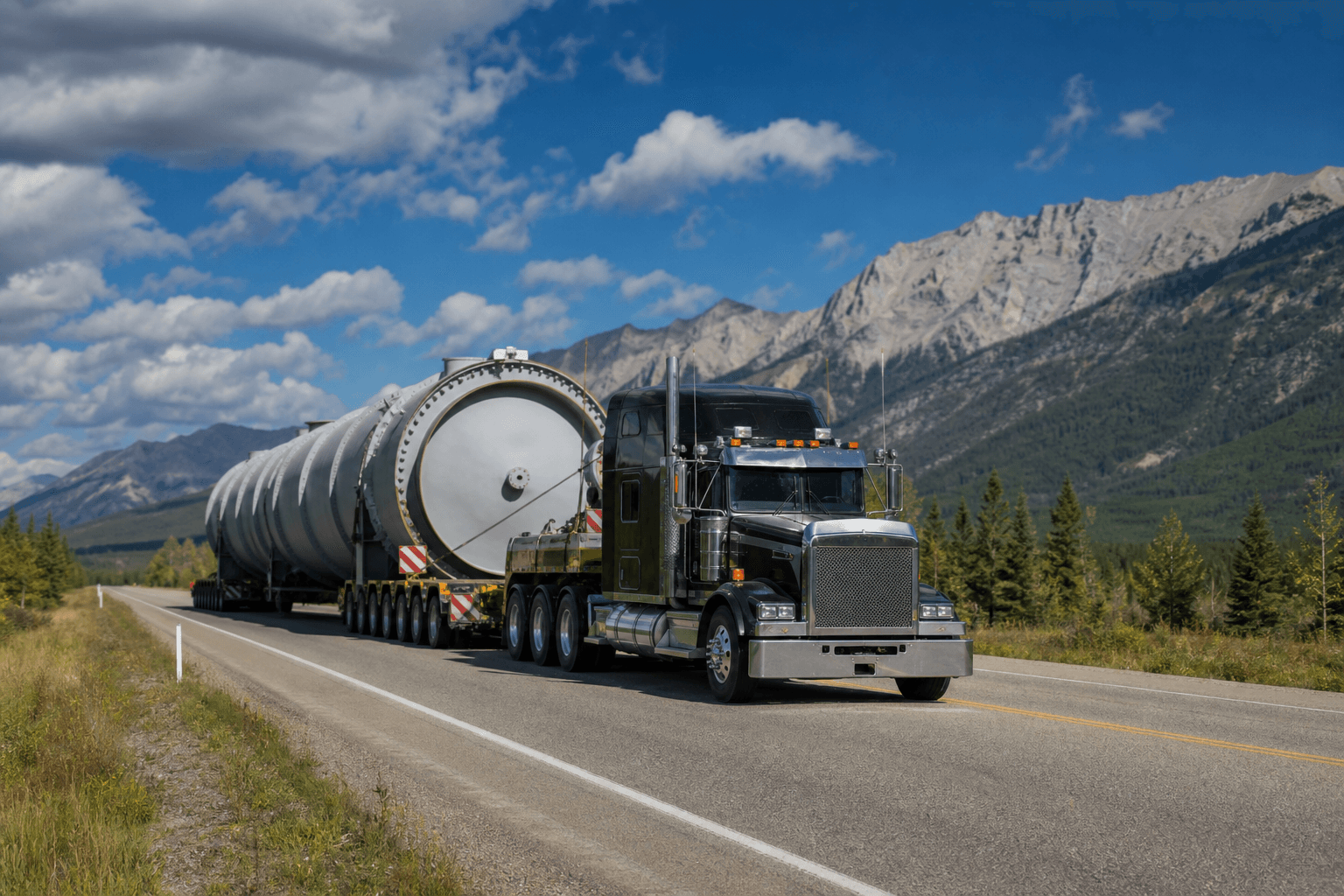
Typical use cases: High-frequency shippers, those shipping heavy or oversized freight that is expensive per unit as LTL, or loads that benefit from single-move handling, such as machinery, steel pipe, or containers.
Constraints: Converts handling benefits into a single dedicated movement, but it requires predictable volume, storage or staging space, and consideration for permits when moving wide or heavy loads.
Pros, cons and operational trade-offs

Cost drivers and savings mechanics
Consolidation reduces per-shipment rates by spreading fixed costs across more freight and by replacing multiple local delivery legs with a single linehaul or TL movement. Carriers and third-party providers often quantify savings from reduced accessorials and fewer pallet moves. For high-level guidance on when consolidation generally reduces cost, see the consolidation overview from uShip and the managed consolidation discussion from Nuvocargo.
Transit time and lead time trade-offs
Consolidation can increase door-to-door lead time when shipments wait for a consolidation cut-off, a scheduled departure, or hub batching. That trade-off is the main operational cost: you save on freight but may carry higher inventory or meet looser delivery windows. Consolidation works best when you can tolerate predictable, slightly longer lead times or when inventory carrying costs are low compared with freight savings.
Handling risk, claims and insurance implications
Consolidation reduces the number of separate shipments, which can reduce handling incidents. However, larger consolidated loads may be rehandled at hubs or cross-docks, adding risk if equipment, tarping, or securing practices are not strictly enforced. Confirm insurance coverage and claims procedures with any provider before consolidating. Flying Falcon lists freight insurance among its service features.
Inventory and warehousing costs
Some consolidation models depend on short-term staging or on-hold inventory at cross-docks or hubs. That introduces storage costs and management overhead. Factor warehousing or cross-dock fees into your cost model when comparing consolidation against standard LTL moves.
Decision checklist: when consolidation makes sense for your shipments
Use this practical checklist to self-assess whether LTL shipping consolidation is worth exploring.
- Volume and frequency: Do you regularly ship multiple LTL pieces on the same origin-to-destination lane within a week? Frequent repeat volumes are the best consolidation candidates.
- Weight and dimensions: Are shipments heavy, palletised, or awkward but compatible for stacking or sequencing? Heavy or high-density freight often gains the most.
- Delivery windows: Can your customers accept slightly longer but predictable lead times, or do you need same-day or strict narrow windows? If you need tight SLAs, consolidation may not fit.
- Open-deck or oversize needs: Does freight require tarping, open-deck trailers, or special handling? If so, consolidation must be planned with asset-compatible carriers.
- Inventory carrying cost: Compare the additional days freight may take under consolidation to the per-shipment savings. If holding cost exceeds savings, consolidation may not be beneficial.
If you answer yes to several items above, the next step is to request a consolidation assessment from a carrier or logistics provider that can audit volumes and lanes.
Special considerations for flatbed, heavy and oversize freight
Tarping, securing and handling risk
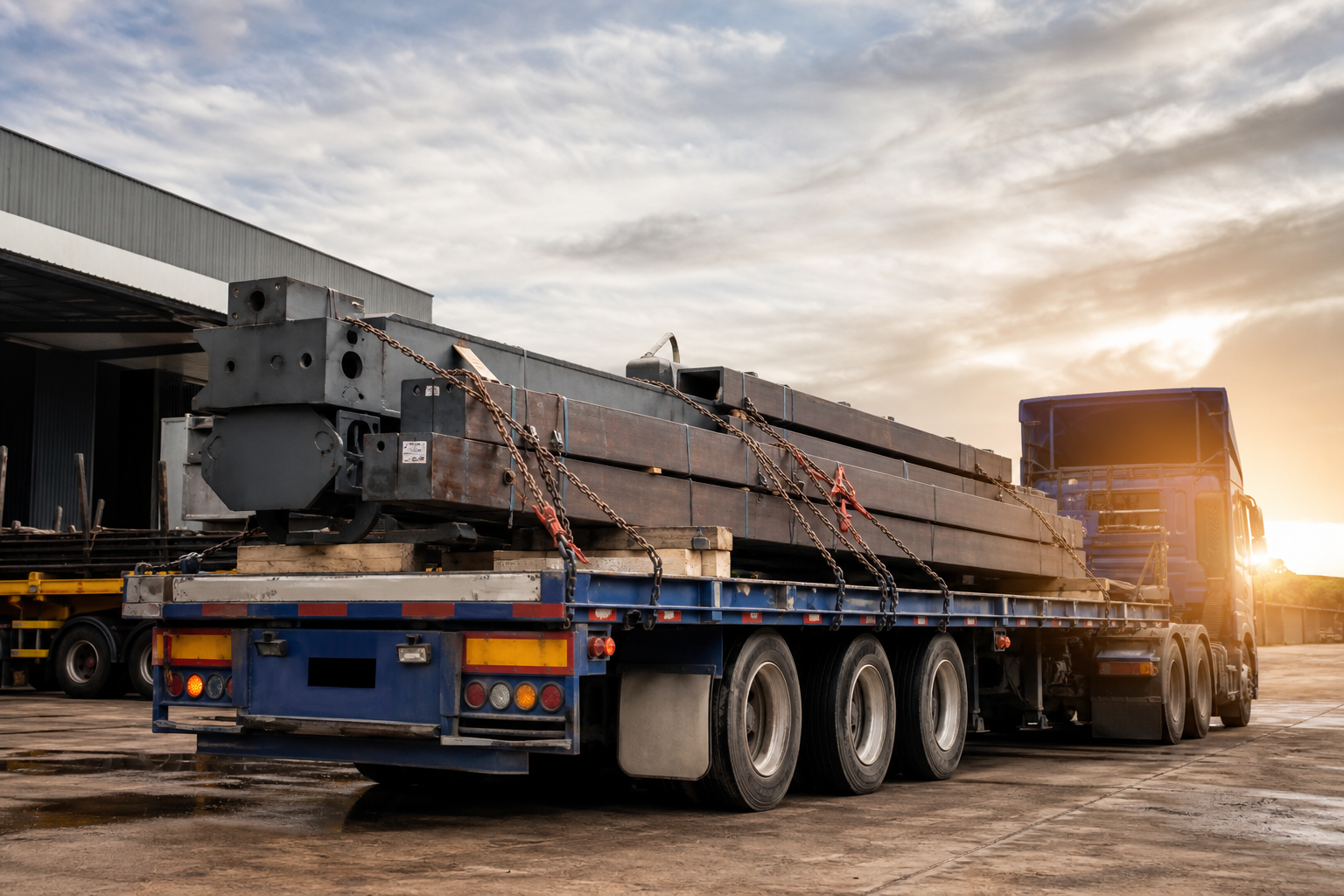
Open-deck freight raises securing and weather exposure needs. Consolidation providers must use correct tie-down patterns, load bars, and tarping. Asset-based flatbed carriers typically control this quality by using their own fleet and trained drivers. Flying Falcon Logistics Ltd is an asset-based Canadian flatbed and specialised freight carrier based in the Edmonton–Nisku area and highlights flatbed and heavy-haul capabilities, including warehousing and cross-docking to support LTL work.
Wide-load permits and route planning
Converting LTL to a TL or to a wide-load requires permit planning, escorts, and route checks. Consolidation that creates oversize loads should be evaluated for permit timing and seasonal restrictions before scheduling.
Why an asset-based flatbed carrier matters
Asset-based carriers with open-deck trailers and regional cross-dock facilities can coordinate tarping, staging, and direct linehaul moves with fewer intermediaries. If your freight mix includes oilfield equipment, steel pipe, or agricultural machinery, choose a provider experienced in open-deck consolidation and cross-docking in your region. For local LTL support in Edmonton and cross-docking options, see Flying Falcon's LTL SERVICES page.
Cross-border and seasonal constraints for Alberta shippers
Customs, documentation and bonded staging
Consolidated shipments crossing into the United States require accurate harmonized codes, consistent documentation across all pieces, and clear bills of lading. Batching multiple shippers into one TL can complicate customs audits unless the carrier or broker provides bonded staging and consolidated manifesting.
Seasonal route and weight restrictions
Western Canada and many US states impose seasonal weight or axle restrictions, and certain routes are subject to temporary closures for weather. When planning consolidated lanes, carriers should account for seasonal constraints, permit lead times, and alternate routing to avoid unexpected delays.
Inspection and hold risk at the border
Consolidated loads may draw more scrutiny if multiple shippers or varied commodity classes are included. Work with a provider that coordinates pre-clearance or that has cross-border experience to reduce hold times and paperwork friction. Flying Falcon notes cross-border capability and integrated warehousing to support Canada–USA freight movements on its site.
How to evaluate providers and request a consolidation assessment
Provider checklist
- Asset-based vs broker: Asset-based carriers handle equipment and drivers directly, which is helpful for open-deck and heavy-haul consolidation.
- Warehousing and cross-dock capability: Ask whether the provider operates a regional hub or cross-dock near your origin, and whether it offers short-term staging.
- Insurance and claims process: Confirm freight insurance limits and the carrier's claims response time.
- Sustainability and credentials: If sustainability matters, check for certification such as SmartWay; Flying Falcon lists SmartWay certification among its credentials.
- On-time performance: Ask for historical on-time delivery metrics in lanes like yours. Flying Falcon publicises an industry-claimed on-time delivery record for its fleet on its website.
What to include in an assessment request
When you ask a carrier or 3PL for a consolidation review, provide lane-level data: number of shipments per week by origin and destination, pallet counts and dimensions, weight, any oversize or open-deck requirements, delivery windows, and cross-border details. The carrier will model consolidation opportunities and highlight lead-time changes, staging fees, and expected savings. Managed providers often analyse entire shipping portfolios to flag consolidation candidates, as described by Nuvocargo.
Next step
To get a consolidation assessment focused on open-deck, heavy, or cross-border LTL freight from an Edmonton-area provider, request a quote or consolidation review on Flying Falcon's LTL SERVICES page. Be ready with the lane and volume details listed above to speed the analysis.
FAQ
Will consolidation always reduce my shipping costs
No. Consolidation often reduces per-shipment freight cost by lowering handling and linehaul expenses, but net savings depend on staging or warehousing fees, inventory carrying cost, and any schedule-related delays. Use lane-specific modelling to confirm savings before changing your routing approach. For general consolidation benefits, see the uShip explanation.
How does consolidation affect transit time and delivery windows
Consolidation commonly increases lead time because shipments wait for batching or scheduled departures. That is a deliberate trade-off for lower freight cost. If you require tight delivery windows or same-day moves, consolidation may not be appropriate.
What liability and insurance changes when I consolidate LTL shipments
Consolidating shipments does not eliminate liability, but it can change who holds cargo during staging or cross-dock operations. Always confirm freight insurance limits and the claims process with the provider before consolidating.
Is there a minimum volume or frequency required to consolidate LTL into TL
There is no universal rule. Practical conversion to TL depends on lane density, pallet count, and carrier willingness to stage shipments. Frequent repeat volume on the same lane is the clearest signal that consolidation into TL is viable.
How do cross-border customs and permits change for consolidated shipments
Consolidation can simplify paperwork by batching documentation, but it can also complicate customs audits if multiple shippers and commodity classes are mixed. Work with a provider experienced in Canada–USA cross-border moves and bonded staging to reduce inspection risk.
Ready to explore whether LTL shipping consolidation suits your operation? For an Edmonton-area consolidation review, staging options, or cross-border flatbed moves, contact Flying Falcon Logistics Ltd to request a consolidation assessment and quote.
Further reading: What Does LTL Consolidation Mean? | uShip, and When and How to Consolidate LTL Shipments Into FTL | Nuvocargo.